
Journal · Expat
The SIM has to be yours, or the code goes to someone else.
A Saudi number that can place a call is not the same as a number registered to your iqama. Absher, the bank and the post office all notice the difference.
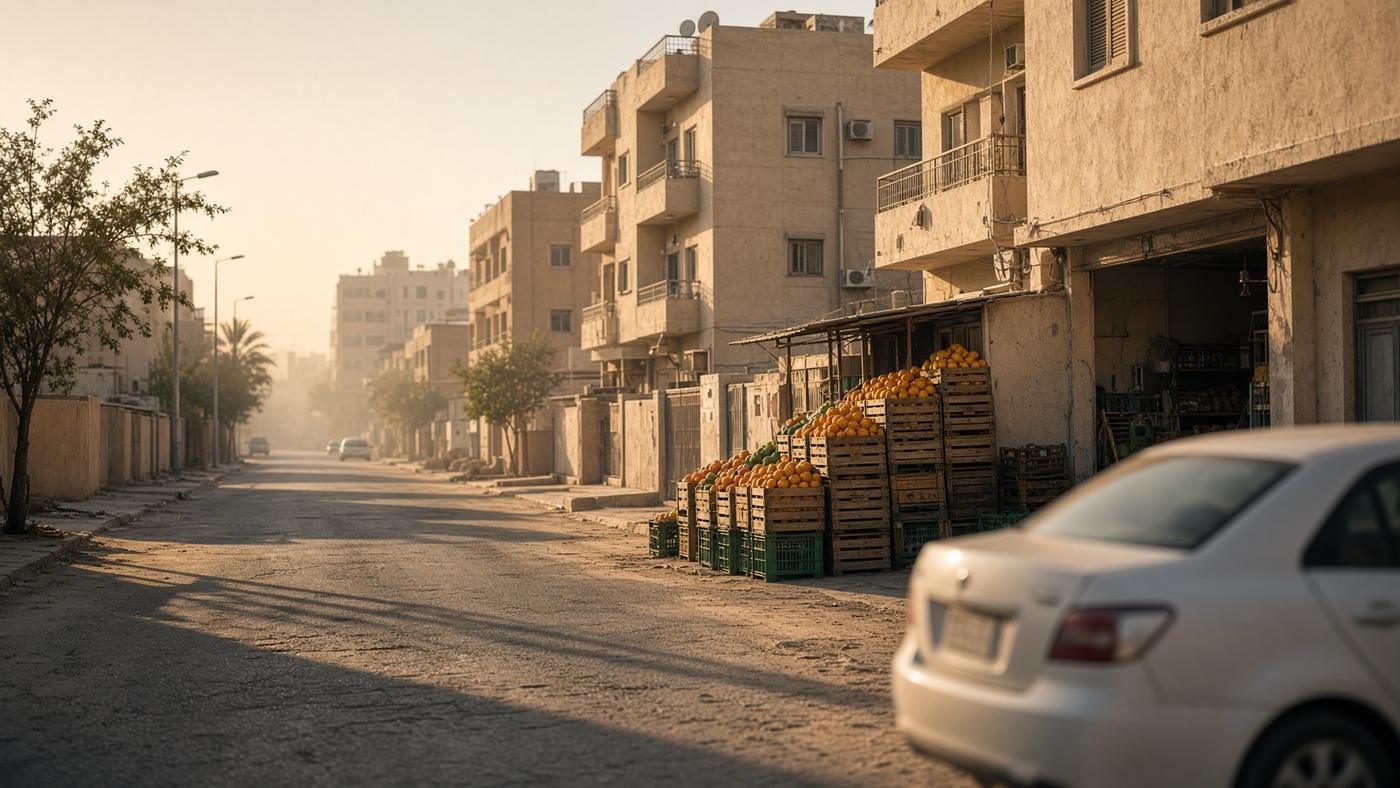
The airport sells you a SIM before you have a place to live. It works in the taxi. It works for your mother. People then keep it for a month, because it still has data, and they are surprised when Absher will not send the code to it. The surprise is the expensive part. In Saudi Arabia the mobile line and the residency file are supposed to be the same person. If they are not, every later errand becomes a conversation about a number you do not control.
This note is for that errand. It is not a price list. STC, Mobily and Zain change packages whenever they like, and a whiteboard in a mall branch is not a contract. The receipt is the price. KSA GUIDE does not sell SIMs and does not log in to your line. If a shop’s screen and this page disagree, believe the screen.
Two SIMs that look the same in your hand
Hold the plastic up to the light and you will not see the difference. The difference is whose identity was recorded when the line was opened.
The visitor line
A person on a tourist eVisa, or still waiting for the iqama to be printed, can often leave the airport or a mall with a prepaid line registered to a passport. It is a decent way to survive the first nights. It is a bad thing to build a life on. Banks that want a resident account, and Absher once the iqama exists, are looking for a number tied to that residency. A visitor line can expire, or sit in a category the next form will not accept, while you are busy learning the city. Treat it as a spare, not as the number you type into every profile.
The resident line
Once the iqama is in your wallet, go and put a line in that name. The big three shops people actually use are STC, Mobily and Zain. There are smaller brands that run on those networks. If you choose one of those, still ask, before you sit down, whether the contract will show your iqama and your name. “It uses the STC network” is not the same sentence as “this number is registered to me.”
What the counter will ask you to do
A proper registration is slightly annoying, which is the point. The operator has to be able to say, later, that this number belongs to this person. Expect to be present. Expect the iqama. Expect a fingerprint or a face match, because a SIM in this country is not sold like a sweet. The exact prompt changes between branches. The idea does not: they are checking that the card and the human are a pair.
- Your iqama, not a photo of it on WhatsApp. If the plastic has not arrived and the officer only has a digital record, ask that branch whether the digital record is enough today. Do not let a fixer “use a copy.”
- The passport, if they ask for the extra page. Some branches do when the iqama is new and the name spelling is still soft.
- Your own hand on the scanner. A colleague cannot do this at lunchtime as a favour.
- A receipt or an app login that shows the number and your name before you leave the chair.
If the branch says the system is down and a man outside can finish it, the system is not your problem. Come back in the morning. Riyadh branches are busy after four, and they are calmer when the mall has just opened. A down system that only a stranger can cure is a sentence you should walk away from.
Why Absher cares which piece of plastic is in the phone
Absher sends a one-time code when you log in and when you try to do anything that costs money or changes your right to be here. That code goes to the mobile number stored on the account. If that number is the typing shop’s, the shop reads your code. If it is a cousin’s old line, the cousin reads it, including on a Friday when you are the one standing at the airport. The whole of the Absher note is about not handing that login away. The SIM is how the login stays in your pocket.
Put the number on the account, then stop
After the shop, open Absher yourself and see which number it thinks is yours. If it is still an agent’s number from the week you landed, move it through the screen Absher gives you, while you still remember the temporary line. Do not “just forward the SMS” for a month because forwarding feels easier. Forwarding is a habit, and habits are how other people stay inside your residency.
Dual-SIM phones hide the mistake
A lot of new residents keep the airport SIM in slot one and the new iqama SIM in slot two, then wonder why codes never arrive. The phone is using the wrong line for SMS, or Absher is still aimed at the old number. Name the slots in the phone settings, in a way you will understand when you are tired. “Old” and “Iqama” is enough. Pretty labels are not.
Prepaid, postpaid, and the bill that is not the point
You can choose a prepaid line and pay as you go, or a postpaid plan with a monthly bill. Neither choice is a moral one. Prepaid is simpler if you do not yet know whether this city will keep you. Postpaid is what some banks and some company HR desks prefer to see, because a bill in your name looks like a person who intends to stay. Ask HR if they mind. Do not take a twenty-four-month handset plan from a mall kiosk because the phone in the picture was shiny and the salary has not landed yet.
Package prices are not in this note on purpose. A number that was “only thirty-five” on a poster can be a different number once the tax and the extra data bucket are on the receipt. Read the receipt. If you cannot read the Arabic total, ask them to point at it, and do not sign a second page you have not looked at. The extra page is sometimes the device, not the SIM.
Company lines
Some employers hand you a phone on day one. Useful, and not yours. The company can switch it off when you resign, and the number may be in the company’s name. Keep it for work. Still get a personal line in the iqama’s name for Absher, the bank and your family. Mixing those two jobs onto one company SIM is how people lose the code on the day they most need to open the app.
The number someone offers you in a car park
Outside some offices, and occasionally outside a branch that has a queue, a person will sell a SIM that is “already activated.” Sometimes it belonged to a worker who left. Sometimes it is still in that worker’s identity. Sometimes it is a visitor line with a week of data and a story. You will be able to call your mother. You will not be able to prove the number is yours, and you may wake up to a dead line when the real owner, or the operator, closes it.
- Do not buy a SIM from a car park, a hotel corridor, or a WhatsApp status.
- Do not give your iqama photo to a person who says he will register it tonight and meet you tomorrow.
- Do not pay extra for a “special number” until the ordinary number is already in your name and Absher accepts it. Vanity can wait. The code cannot.
If you already did one of these, stop using that line for anything official. Go to a real branch with the iqama and start a clean one. Then change the number inside Absher. Keeping the doubtful line “for data only” is fine. Letting it remain the number on the residency is not.
The same day, in order
Do this when you are not also trying to sign a lease. One errand. Morning, if you can.
Choose STC, Mobily or Zain, whichever branch you can actually reach without a car you do not have yet. In Riyadh the big malls and the main roads have all three. Take the iqama. Sit for the fingerprint. Leave with the SIM in your phone, not in an envelope you will lose in the glovebox. Turn off the airport line as the default for SMS. Open Absher on your own network, not on the shop’s wifi, and confirm the new number is the one that receives the code. Log out. Put the receipt in the folder with the contract.
The national address can happen after you have a flat. The bank can happen after the address. People who try to do the bank, the SIM and the lease in one Thursday afternoon donate that afternoon to a queue. The sequence is written out in the first-month note, and the address itself is in the national address note.
What this desk will not touch
Do not send a photo of the iqama, a screenshot of the SMS code, or the SIM’s PUK and ask us to “see if it is active.” We will not look. If a branch refused you and you want to know which of our notes is the nearest, write what happened in ordinary words through the contact page. The refusal still has to be solved at the operator, or on Absher, by you.
We are not STC, Mobily, Zain, or the communications regulator. We are not Absher either. A package that was cheap last winter is not a promise. The board in the shop is advertising. Your name on the line is the thing this page cares about.
Conclusion
Get a Saudi SIM in your own iqama name, from a real operator, with your own hand on the scanner. Keep the airport line if it still has data, and take it off the job of receiving official codes. Do not buy a number from a stranger, and do not let a shop finish the registration after you have gone home. The call is the small part. The code that arrives on that number is the residency.
Questions people actually ask
Can I keep using the tourist SIM from the airport?
For a call and for data, until it runs out, yes. For Absher, a bank, and anything else that sends a code to the number on your iqama, no. A visitor line is registered to a different kind of stay. Once the iqama exists, put a resident line in that name and aim the codes at it.
Should I buy a SIM from someone in a car park?
No. A line already tied to another person will not reliably receive your codes, and it can be closed when that person or the operator notices. Go to STC, Mobily or Zain with the iqama. Leave with a receipt that shows your name. The queue is the safer part of the afternoon.
What if the Absher code never arrives?
Look first at a dual-SIM phone and see which line is allowed to receive texts. Then look at Absher and see which number it has stored. If it still shows an agent’s number, change that on Absher yourself. Forwarding codes from someone else’s phone is not a fix. It is the problem, continued.
Related notes
Updated 23 October 2026. KSA GUIDE is independent and based in Riyadh. We do not sell SIMs and we are not Absher. The name on the operator’s screen is the name that matters.