
Journal · Travel
Cover your shoulders. You do not have to wear black.
The old picture of Saudi Arabia is a forced abaya at the airport. The city you land in now is stricter than a European high street and looser than that picture. Modest is the word that still matters.
People pack for Saudi Arabia as if they were packing for a costume party or for a beach they saw in an advert. Both suitcases are wrong. One is full of black cloaks bought in a panic. The other is full of shorts. The first week then gets spent being slightly too covered for a Tuesday mall, or slightly too bare for a pavement at noon, and listening to a cousin who last visited in 2014.
The page to read before either suitcase is Visit Saudi’s own note for women travellers. It says you do not need to wear a hijab, and that you should still dress modestly: loose clothes that cover the shoulders, cleavage and legs. It says men should avoid shorts above the knee, and pajamas, in public. At a mosque, shoes come off, legs are covered, and women cover their hair. That is the official tourism voice, not a blog. It is here: three tips for women traveling to Saudi.
Beside it sits the public-decorum page on the eVisa site. Visitors to public places dress modestly, and they do not wear outfits carrying pictures or phrases that break ordinary decency. The charter is short. The fine for breaking that family of rules is a real fine, not a rumour. Read it on the eVisa laws and etiquette page before you argue with a stranger about what “modest” means. If that page and this one ever disagree, the page wins. KSA GUIDE is not the police and not Visit Saudi.
A mall in Riyadh is not a mosque door
The mistake is treating the whole country as one room. It is several rooms, and they do not share a dress code the way a hotel lobby shares air conditioning.
Ordinary streets, offices, and malls
In Riyadh, Jeddah and the Eastern Province, foreign women walk into malls in long skirts, wide trousers, and shirts that cover the shoulder. An abaya is common, especially on Saudi women, and it is often coloured, not a uniform. It is also optional for a visitor. You will not be issued one at the airport. You might want a light one in the suitcase anyway, because a mosque visit or a more conservative neighbourhood is easier with a layer you can put on in the car. Buy it here if you want one that actually fits the heat. The airport version from home is often too thick for October, which is still warm, and absurd in July.
Men do not need a thobe. They need trousers that pass the knee and a shirt. A collared shirt is not a law. A singlet and football shorts on Olaya Road is how you become the person everyone is politely not looking at. Gym clothes stay in the gym. Pajamas stay in the hotel. Visit Saudi bothers to say that, which tells you someone keeps doing it.
A mosque
This is the door where the rules tighten, and they tighten for a reason that is not fashion. Shoes come off. Legs are covered to the ankle for the people going in to pray. Women cover their hair. Many larger mosques keep spare abayas or scarves for visitors who arrived in ordinary modest clothes and then decided to look inside. Use theirs if they offer, and hand them back. Do not treat the courtyard as a backdrop for a long photoshoot of people who are praying. If a guard says the prayer hall is not for visitors right now, that is the end of the tour.
Makkah and Madinah
These are not a stricter version of a Jeddah mall. The central holy places are for Muslims. If you are not Muslim, do not plan a walk into them, do not book a hotel on the assumption you will “just see the door,” and do not let a tour seller blur that line. The cities around them are visitable on the right visa, with modest clothes and quieter manners than a Saturday on the Corniche. The Corniche itself is a different evening, and it has its own note: one evening in Jeddah.
What to put in the bag
October to April is when you can dress modestly and still walk. Summer in Riyadh makes the same outfit feel like a punishment, which is why the season note on this site exists. Pack for the months you are actually coming, not for the photograph.
- Loose trousers or a long skirt, and a second pair. Dust in Riyadh is not a rumour.
- Shirts or dresses that cover the shoulder. A light layer you can add when the mall is cold and the street is not.
- A scarf that can cover hair at a mosque. It can live in the bag the rest of the week.
- Shoes you can slip off. A lace-up boot is a bad mosque shoe.
- For men, trousers past the knee. Shorts are for a private pool, not for grocery shopping.
- One smarter outfit if you will be in an office. Saudi offices are not beach clubs, even when the receptionist is in English.
Leave the outfit with a large slogan, a huge printed face, or a joke you would not say to your host. The decorum page mentions pictures and phrases on clothes for a reason. It is a dull reason. Dull reasons are the ones that cost money.
The day changes at prayer, and the clothes do not save you
Five times a day, shops pull the shutter for prayer. A mall does not empty of people, but the stores you wanted will not take your card for those minutes. Friday morning is quieter still. The weekend is Friday and Saturday. Visit Saudi says so in the same note as the dress advice, because travellers keep arriving on Friday with a shopping list.
Dress does not pause the shutter. A perfect abaya will not open a pharmacy during prayer. Plan the errand for after, or before. If you are only in Riyadh for one Friday, the shape of that day is already written: a first Friday. Prayer times move across the year. The app on your phone is more useful than a blog that printed last April’s clock.
Behaviour that has nothing to do with fabric
Clothes are the question everyone asks. The things that actually annoy a street are smaller and more expensive.
Hands
Couples do not kiss on the pavement. A hand held in a mall is common enough now that you will see it, and it is still not an invitation to treat a public square like a nightclub. If you are unsure, do less. The country did not become a different religion because the shops started staying open later.
Cameras
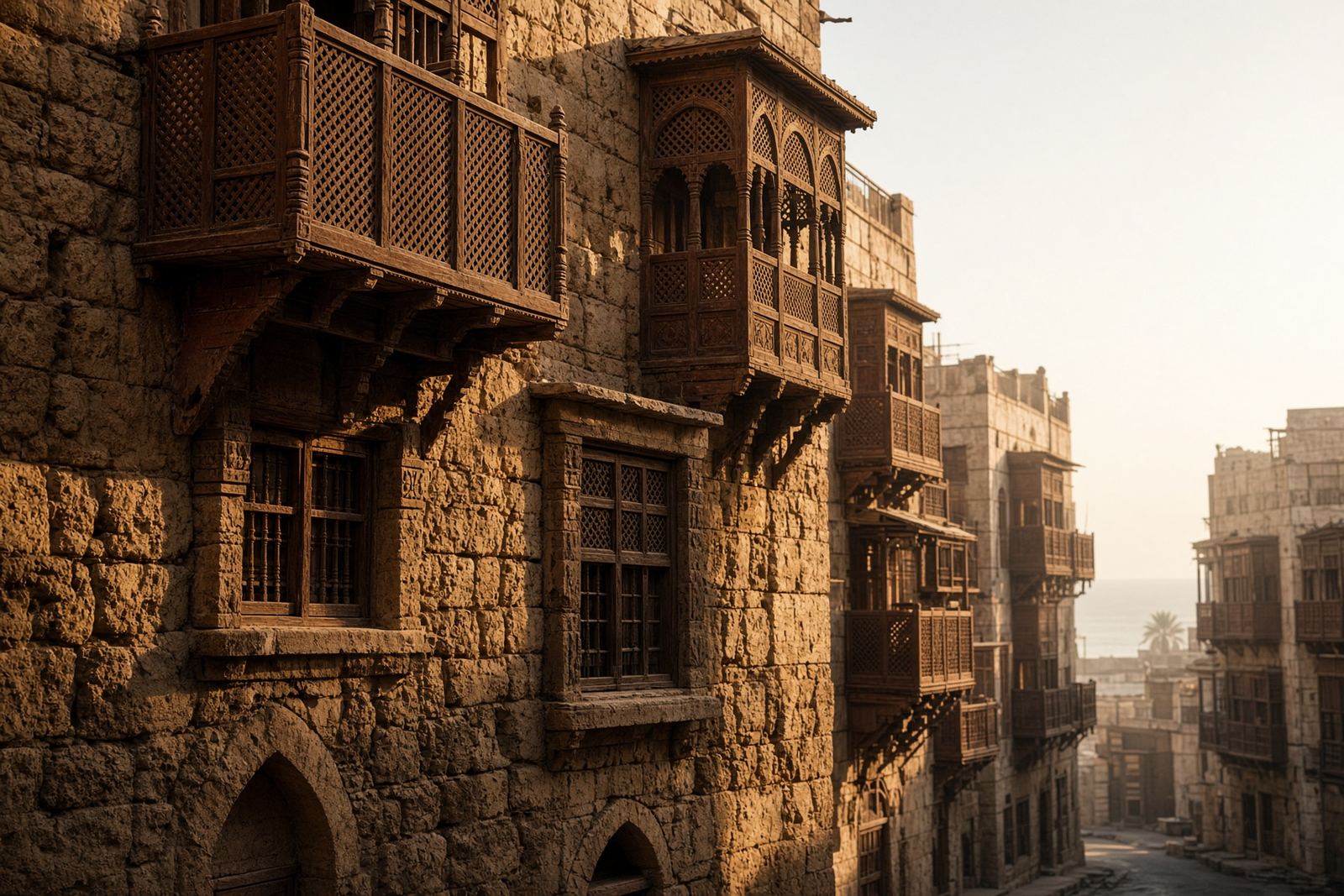
Buildings, food, and your own group are fine. A woman in an abaya who did not agree to be in your frame is not a subject. The same is true of a guard, a face at prayer, and a child. Ask, or point the phone at the architecture. Al-Balad in Jeddah and the old mud walls at Diriyah are beautiful without a stranger’s face in the corner.
Drink
Do not bring alcohol, do not ask a taxi driver where to find it, and do not believe a hotel minibar story from another country. The public place you are standing in is not a bar. A private compound rumour is not a plan this website will help you with. If you want a glass of wine with dinner, this is the wrong city for that dinner.
Residents are not on a three-day rule
If you live here, the mall rule is the life, not the holiday. Offices vary. A hospital, a school run, and a government counter are all more covered than a hotel lobby in the diplomatic quarter. Watch the women who work in that building, not the visitors at the rooftop. An abaya can be the easiest garment for a government office even when nobody is forcing it, because it ends the conversation about your shirt. That is a practical choice. It is not a law you can quote at your neighbour.
New residents sometimes spend the first month over-correcting, in heavy black, in August, because a WhatsApp group said “they will stop you.” They will not stop you for a loose linen shirt. They may look twice at a very short dress outside a mosque. The look is the warning. You do not need to collect the warning.
A simple way to get dressed
Look at the day. If it is a mall, a museum, a restaurant, or the office, wear loose clothes that cover shoulders and knees, and for women the neckline a Saudi host would not have to ignore. If the day includes a mosque, add the scarf and shoes you can remove. If the day includes the holy cities, read the visa and the entry rule again before you go, and do not treat this paragraph as a permit. Men, wear trousers. Everyone, skip the slogan T-shirt.
The season you pick still matters more than the brand of the shirt. Walking clothes only work in the months when the stone is cool enough to walk on. That is the season note.
Conclusion
Wear modest, loose clothes. You do not have to arrive in black, and you do not have to pretend the country is a beach. Visit Saudi’s own line is the one to remember: no hijab required for a tourist, shoulders and legs covered, a scarf for the mosque, and the same modesty asked of men. A Riyadh mall, a mosque door, and Makkah are three different rooms. Pack for the room you are actually entering.
Questions people actually ask
Do women have to wear an abaya in Saudi Arabia?
Visit Saudi says a tourist does not need a hijab, and should wear loose clothes that cover the shoulders, cleavage and legs. An abaya is common and often comfortable. It is not a uniform you are issued at the airport. At a mosque, women cover their hair, and longer clothes are part of going in.
Can men wear shorts in Riyadh?
Not as ordinary public clothes. Visit Saudi tells men to avoid shorts above the knee, and pajamas, in public places. Trousers and a shirt are the day. A private hotel pool is not the street in front of a mosque.
Is Makkah the same rule as a Jeddah mall?
No. A mall is modest everyday dress. A mosque adds shoes off, long clothes, and a head covering for women. The central holy areas of Makkah are for Muslims. If that is not you, do not try to enter them, and do not buy a tour that winks at the rule.
Related notes
Updated 23 October 2026. KSA GUIDE is independent and based in Riyadh. We are not Visit Saudi and not the police. The official page is the rule.